Why are jeans blue? Indigo explained
Jeans are blue because denim is traditionally dyed with indigo, a plant-derived dye now mostly made synthetically, which colours the warp threads blue while the weft threads stay white. Indigo does not dissolve in water normally, so it is chemically reduced to a soluble form, the yarn is dipped, and the dye turns blue as it reacts with oxygen in the air. It builds up in layers on the surface of the yarn, which is why jeans fade with wear.
This surface-dyeing is the secret behind everything we love about denim: the deep colour of new jeans, the soft blue of old ones and the way fades map out how you move.
Indigo's quirky chemistry is also why the dyeing process looks magical. Yarn emerges from the indigo bath greenish-yellow and slowly turns blue in front of your eyes as it meets air. Artisans who dye with natural indigo in India often describe this oxidation as the most beautiful moment of the craft.
Our top 20 picks
- 1

DOLLFASHION
DOLLFASHION Women’s High Waist Wide Leg Jeans Light Blue Denim Loose Fit Palazzo Jeans for Women Relaxed Strai
₹529₹99947% OFF
Material / finish: Denim · Colour: Blue · Brand: DOLLFASHION
- 2
DOLLFASHION
DOLLFASHION Women’s High Waist Wide Leg Jeans Light Blue Denim Loose Fit Palazzo Jeans for Women Relaxed Strai
₹589₹99941% OFF
Material / finish: Denim · Colour: Blue · Brand: DOLLFASHION
- 3

Qeboo
Qeboo Light Blue High-Rise Wide Leg Jeans with Wrap Tie Accents for (WJ-ST002-LBL-32)
₹1,499₹3,59958% OFF
Colour: Blue · Brand: Qeboo · Best for: college, brunch, work days and evenings out
- 4

DOLLFASHION
DOLLFASHION Women’s High Waist Wide Leg Jeans Light Blue Denim Loose Fit Palazzo Jeans for Women Relaxed Strai
₹574₹99943% OFF
Material / finish: Denim · Colour: Blue · Brand: DOLLFASHION
- 5

Emberaa
Emberaa Women’s High Waist Wide Leg Black Jeans Rhinestone Embellished Distressed Denim (in, Numeric, 28, Regu
₹1,545₹3,60057% OFF
Material / finish: Denim · Colour: Black · Brand: Emberaa
- 6
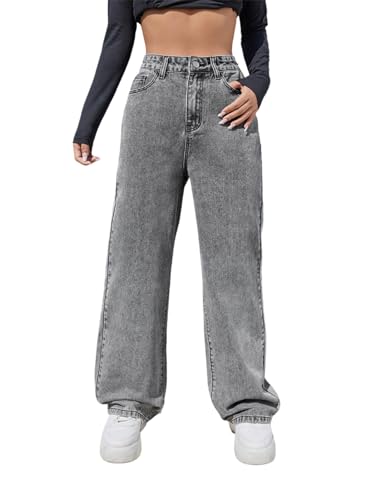
KOTTY
KOTTY Cotton Lycra Blend Relaxed Fit Jeans(Grey,30)
₹401₹2,49984% OFF
Material / finish: Cotton · Colour: Grey · Brand: KOTTY
- 7

Flying Machine
Slash Slim Tapered Fit Whiskered Jeans
₹1,299₹1,99935% OFF
Brand: Flying Machine · Best for: college, brunch, work days and evenings out · Check the Amazon listing for size, warranty and return policy
- 8

Flying Machine
Women Barrel Fit High-Rise Mid Blue Lightweight Stretchable Jeans
₹1,319₹2,19940% OFF
Colour: Blue · Brand: Flying Machine · Best for: college, brunch, work days and evenings out
- 9

Flying Machine
Slash Slim Tapered Fit Whiskered Jeans
₹1,165₹2,19947% OFF
Brand: Flying Machine · Best for: college, brunch, work days and evenings out · Check the Amazon listing for size, warranty and return policy
- 10

Flying Machine
Flying Machine High Rise Barrel Fit Jeans
₹1,170₹2,59955% OFF
Brand: Flying Machine · Best for: college, brunch, work days and evenings out · Check the Amazon listing for size, warranty and return policy
- 11
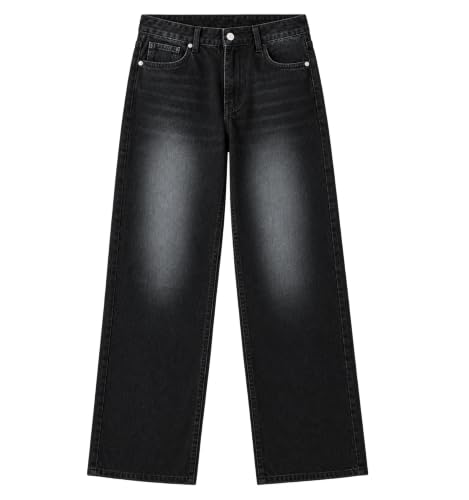
Generic
Wide Leg High-Waist Washed Black Denim Jeans
₹800₹1,59950% OFF
Material / finish: Denim · Colour: Black · Brand: Generic
- 12

SANNIDHI
SANNIDHI Jeans Chain Layered Silver Star Charm Punk Triple Pants Chains
₹299₹47437% OFF
Colour: Silver · Brand: SANNIDHI · Best for: college, brunch, work days and evenings out
- 13

ELLITI
ELLITI 6 Pocket Regular Fit, High Rise Relaxed/Boyfriend Fit, Wide Leg, Bell Bottom, Green Cargo for Women, De
₹649₹1,29950% OFF
Material / finish: Denim · Colour: Green · Brand: ELLITI
- 14

GRECIILOOKS
GRECIILOOKS Jeans for Woman Cargo Wide Leg Denim Cargo Pants Utility Denim
₹798₹1,99960% OFF
Material / finish: Denim · Brand: GRECIILOOKS · Best for: college, brunch, work days and evenings out
- 15

London Hills
London Hills Women Loose Fit Low Rise Oversized Jeans Baggy, Multicolor
₹598₹1,99970% OFF
Brand: London Hills · Best for: college, brunch, work days and evenings out · Check the Amazon listing for size, warranty and return policy
- 16

TAGAS
Tagas High Waist Bootcut Fit Denim Jeans for Women Stretchable Slim Fit Flared Jeans Relaxed Fit Pant Jeans fo
₹798₹1,99960% OFF
Material / finish: Denim · Brand: TAGAS · Best for: college, brunch, work days and evenings out
- 17

ICW
ICW Mid-Rise Parallel Straight Fit Denim Jeans Dn109 (in, Numeric, 34, Regular, Cream)
₹850₹1,00015% OFF
Material / finish: Denim · Brand: ICW · Best for: college, brunch, work days and evenings out
- 18

Dolce Crudo
Dolce Crudo Straight High Rise Regular-Length Stretchable Denim Jeans (DOSS24DEN79-19-575-30, Fossil Black, 30
₹899₹2,74967% OFF
Material / finish: Denim · Colour: Black · Brand: Dolce Crudo
- 19

Pepe Jeans
Dion Skinny Fit High Waist Jeans
₹696₹2,79975% OFF
Brand: Pepe Jeans · Best for: college, brunch, work days and evenings out · Check the Amazon listing for size, warranty and return policy
- 20

KASHIAN
KASHIAN Versatile Denim Regular Mid Rise Jeans - Essential Wardrobe Staple Light Blue, 32
₹499₹1,29962% OFF
Material / finish: Denim · Colour: Blue · Brand: KASHIAN
India and the history of indigo
Indigo comes from plants of the Indigofera family, and India has one of the oldest histories of indigo dyeing in the world. The word indigo itself is linked to India through Greek and Latin. Indian indigo was traded for centuries and was highly valued.
Under colonial rule, indigo cultivation was forced on farmers in Bengal and Bihar, leading to resistance including the Indigo Revolt of 1859 to 1860 and later the Champaran movement in 1917 led by Mahatma Gandhi. Today, natural indigo is still produced by artisans in parts of India and used in block printing, dabu prints and handloom textiles.
Indigo dyeing traditions also exist in other parts of Asia, Africa and Latin America, but India's indigo was historically prized for its quality. Kerala, Bengal, Gujarat and Rajasthan all have connections to indigo cultivation or dyeing, and the craft is being revived by artisans and designers today.
Natural vs synthetic indigo
Synthetic indigo was developed in the late nineteenth century and quickly replaced plant indigo commercially because it was cheaper and consistent. Almost all jeans today are dyed with synthetic indigo. Chemically, the colour molecule is essentially the same.
Natural indigo jeans are a niche, usually made by small labels and artisans. They can have a slightly different hue and character. If you see natural indigo claimed, look for detail about the source and process; it is a premium, small-batch product.
If you are curious about natural indigo, look for indigo-dyed handloom textiles at craft fairs and exhibitions in Indian cities. Indigo dupattas, stoles and kurtas are more accessible than natural indigo jeans and pair beautifully with your existing denim.
Natural indigo dyeing in India often uses fermentation vats, in which the dye is reduced with the help of natural ingredients and microbes rather than synthetic chemicals. These vats need careful tending, sometimes for weeks, which is part of why natural indigo textiles are prized and priced higher.
Rope dyeing and how denim gets its look
In rope dyeing, warp yarns are twisted into thick ropes and dipped repeatedly into indigo baths, oxidising in the air between dips. Each dip adds a layer. Because the dye cannot fully penetrate the rope, the core of each yarn stays white, a feature known as ring dyeing.
This white core is exactly what shows through when denim wears, creating sharp, high-contrast fades. Slasher dyeing, a different method, dyes yarns in flat sheets and is common in mass production. Both rely on indigo's surface nature.
Darker jeans usually mean more dips, more layers of indigo and often more colour bleeding at first. Lighter jeans may have fewer dips or may be bleached or washed after dyeing. This is one reason dark rinse jeans feel special: they carry the most indigo of all.
The number of dips also affects how the jeans age. Deeply dyed yarn takes longer to reveal its white core, so very dark jeans fade more slowly and with sharper contrast. Lighter dyeing gives faster, softer fades, which is why lighter jeans look worn more quickly.
Why indigo fades the way it does
With wear and washing, friction removes the outer indigo layers and exposes the white core. Areas that bend and rub, such as the hips, thighs, knees and back pockets, fade first. That is why whiskers form where fabric creases at the hips and honeycombs behind the knees.
Sunlight also breaks down indigo slowly, and hot water and harsh detergents accelerate fading. Understanding this helps you either preserve colour or encourage natural fades.
Fading patterns also tell a story. Phone pocket outlines, wallet marks, the spot where your bag strap rubs and creases from cycling all show up on raw denim over time. Denim lovers sometimes photograph their jeans month by month to document how the fades develop.
Hot water and alkaline detergents speed up fading because they help release indigo from the fibre surface. That is why cold washes, mild detergents and a vinegar rinse, which is slightly acidic, are recommended for keeping dark jeans dark.
Black, grey and coloured denim
Black jeans usually use sulphur dyes, sometimes combined with indigo. Sulphur black can fade to grey or brownish tones, unlike the blue fade of indigo. Some black jeans have an indigo base with a black top layer, so they fade to a blue-black shade.
Coloured denim, like rust, olive or pink, uses other dye types and may be dyed as finished garments, so it fades differently and often more evenly. Ecru and white denim are undyed or very lightly treated cotton.
Some black jeans are also dyed after being sewn, called garment dyeing. These jeans tend to fade more evenly and at seams, giving a soft vintage black. Others are made from black-dyed yarn and fade more like blue jeans, with distinct patterns at stress points.
Undyed cotton, the base of ecru and white jeans, has its own appeal. It shows the natural colour of the fibre and goes well with Indian pastels and earth tones. It needs careful washing to avoid yellowing, but it does not bleed or fade like indigo.
Indigo and the environment
Synthetic indigo dyeing traditionally uses chemicals for the reduction process, and wastewater must be treated properly. Newer methods aim to reduce chemical use, water and energy, including pre-reduced indigo and foam dyeing. Natural indigo has its own environmental footprint, related to farming land and processing.
As a shopper, choosing jeans that last long and washing them less are the most effective ways to reduce the overall impact of your denim.
Some brands now also use plant-based or bio-based alternatives for parts of the dyeing process. These are still emerging technologies. As always, look for specific details and certifications when brands make environmental claims about their dyes.
Washing and finishing also affect indigo's environmental footprint. Every time denim is stone washed, bleached or sanded, more indigo is removed and must be handled in wastewater. Choosing darker, cleaner washes over heavily faded ones is one simple way to reduce this impact.
Indigo beyond jeans
In India, indigo is woven into textile culture through dabu mud-resist prints from Rajasthan, ajrakh, indigo-dyed handloom cottons and shibori-style tie dye. These pair beautifully with denim for an Indo-western look, for example an indigo block-printed kurta with dark jeans and oxidised silver jewellery.
An indigo cotton saree or dupatta with a denim jacket is another stylish fusion, especially for festive season days and casual gatherings.
Indigo also works beautifully in Indian winter wardrobes. Dark denim jackets with indigo-printed stoles, or indigo shibori dupattas with black jeans, create layered looks that feel rooted in Indian craft while staying modern and practical for cooler evenings.