

GUESS
GUESS Bella Vita Paradiso Liquid Eau De Parfum For Women - 100Ml
Sale price₹3,750Regular price₹7,000(46% OFF)
₹899MRP ₹1,199(25% OFF)
inclusive of all taxes
Price as of 12 Oct 2026, 6:14 pm IST. Prices on Amazon may change.
Deal price ₹899 · save ₹300. Check Amazon for extra bank offers, coupons and no-cost EMI.
MYOC Alpha Arbutin is a 30g cosmetic grade brightening active sold as a raw ingredient for DIY skincare. It is meant to be added to homemade face serums and moisturisers, so it suits people who already understand formulation basics rather than first-time skincare users.
Most brightening products on Shubhi are ready-to-use, but this MYOC listing is different. It is a raw ingredient: alpha arbutin in a 30g pack, described as cosmetic grade and intended for DIY skincare such as face serums and moisturisers. That means it is not something you apply directly to your face as it comes. It has to be dissolved and blended into a finished formula.
Alpha arbutin is a common brightening active used to help reduce the look of dark spots and uneven tone. In commercial products it is used at specific concentrations, and getting the amount right matters. Using too much does not mean faster results; it can simply waste the ingredient or increase the chance of irritation. Check the listing or the supplier's guidance for recommended usage levels and solubility instructions.
Home formulation also brings practical challenges that are easy to underestimate. Water-based DIY products need a suitable preservative, clean equipment and correct storage, otherwise they can grow bacteria or mould, particularly in warm and humid Indian conditions. A digital scale that measures small quantities accurately is essential, as kitchen spoons are not precise enough.
Compared with buying a finished alpha arbutin serum, a raw ingredient gives you control over the base, texture and fragrance-free options, and a 30g pack can go a long way. The trade-off is responsibility: there is no brand testing your final product for stability or safety, so you take on that role yourself.
If you are new to formulating, consider starting with a very small test batch rather than a full bottle, so mistakes cost less. Keep a simple notebook recording weights, the order you combined ingredients, the date and how the batch behaved over a few weeks. This record helps you repeat a successful formula and quickly identify what went wrong if a batch separates, changes colour or causes discomfort. Careful method is what makes DIY skincare worthwhile rather than risky.
Before buying, confirm the grade, batch and expiry information on the listing, and read the supplier's handling instructions. Always patch test any finished product for at least 48 hours, label your creations with the date, and discard them if the smell, colour or texture changes. If you are pregnant, have sensitive skin or melasma, speak to a dermatologist before using homemade actives. It is listed around ₹899 at the time of writing.
No. The title describes it as an ingredient for DIY serums and moisturisers. It needs to be dissolved and blended into a properly formulated, preserved product at a suitable concentration. Check the supplier's instructions for recommended usage levels.
Follow the usage range provided on the listing or by the supplier. More is not better, and exceeding recommended levels can raise the risk of irritation. If you are unsure, consider a ready-made serum instead of formulating yourself.
Yes, any water-containing DIY product needs a suitable broad-spectrum cosmetic preservative. Without it, bacteria and mould can grow quickly, especially in warm Indian weather. Use clean tools and discard the product if it changes in smell or appearance.
Homemade products are not tested like commercial ones, so sensitive skin carries more risk. Patch test every batch and stop if irritation occurs. People with sensitive skin, melasma or who are pregnant should consult a dermatologist first.
GUESS
Sale price₹3,750Regular price₹7,000(46% OFF)

ARMAF
Sale price₹4,120Regular price₹5,150(20% OFF)

Lattafa
Sale price₹3,240Regular price₹4,500(28% OFF)

GUESS
Sale price₹3,150Regular price₹6,300(50% OFF)
Lattafa
Sale price₹2,879Regular price₹4,200(31% OFF)

GUESS
Sale price₹3,105Regular price₹6,900(55% OFF)

Skinn By Titan
Sale price₹2,655Regular price₹2,795(5% OFF)


Elecious
Sale price₹999Regular price₹1,524(34% OFF)


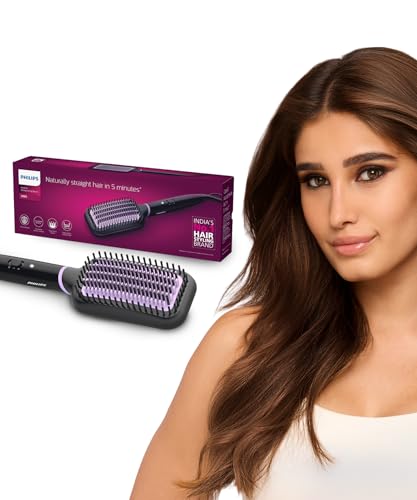
PHILIPS
Sale price₹3,049Regular price₹3,995(24% OFF)

PHILIPS
Sale price₹3,399Regular price₹3,795(10% OFF)
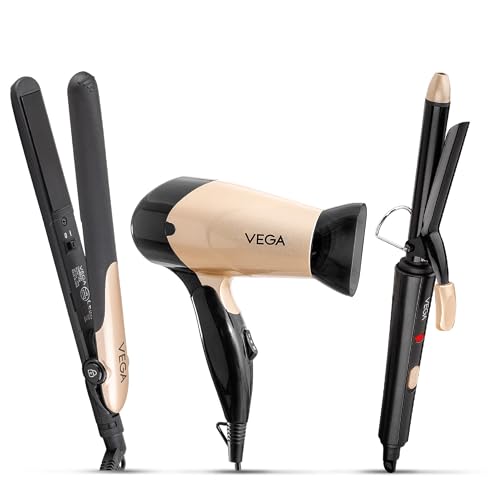
VEGA
Sale price₹2,599Regular price₹3,499(26% OFF)

IKONIC
Sale price₹4,200Regular price₹6,500(35% OFF)
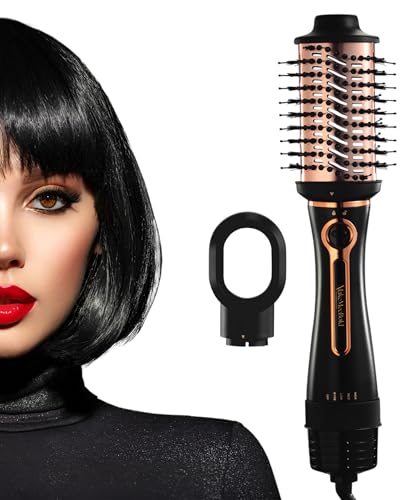
Urban yog
Sale price₹2,699Regular price₹6,999(61% OFF)